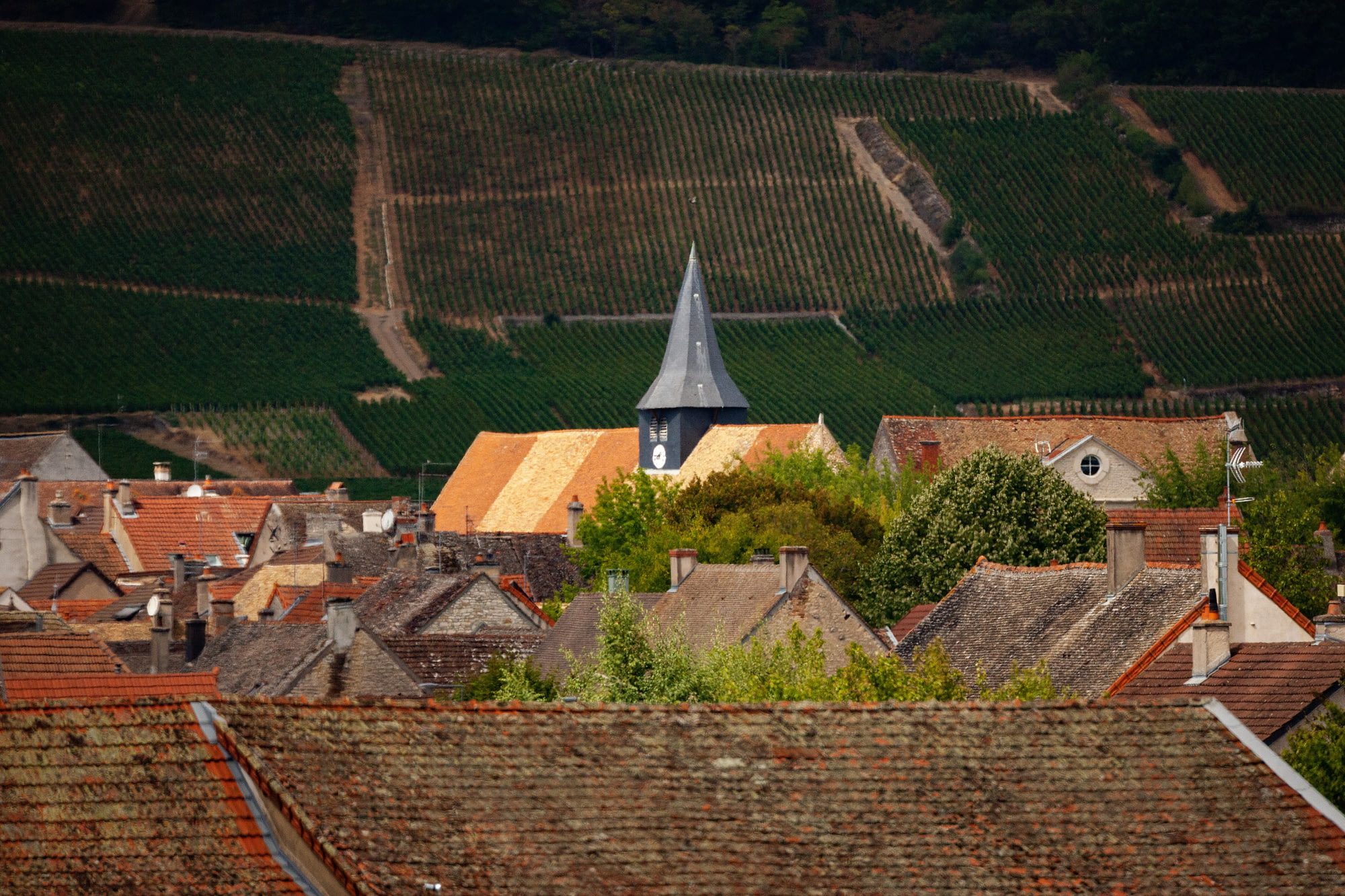
At the helm of "Herbes de Vie" and the training school "Vieilles Racines et Jeunes Pousses", Thierry Thévenin practices the rare craft of wild plant harvesting. Describing himself as a farmer-herbalist, he often roams his lands between the Millevaches plateau and the volcanoes of Auvergne. This autumn, he visited the vineyards of Domaine Leflaive for the second time, applying his extensive botanical expertise.
What did you observe during your late October visit to the Domaine Leflaive vineyards?
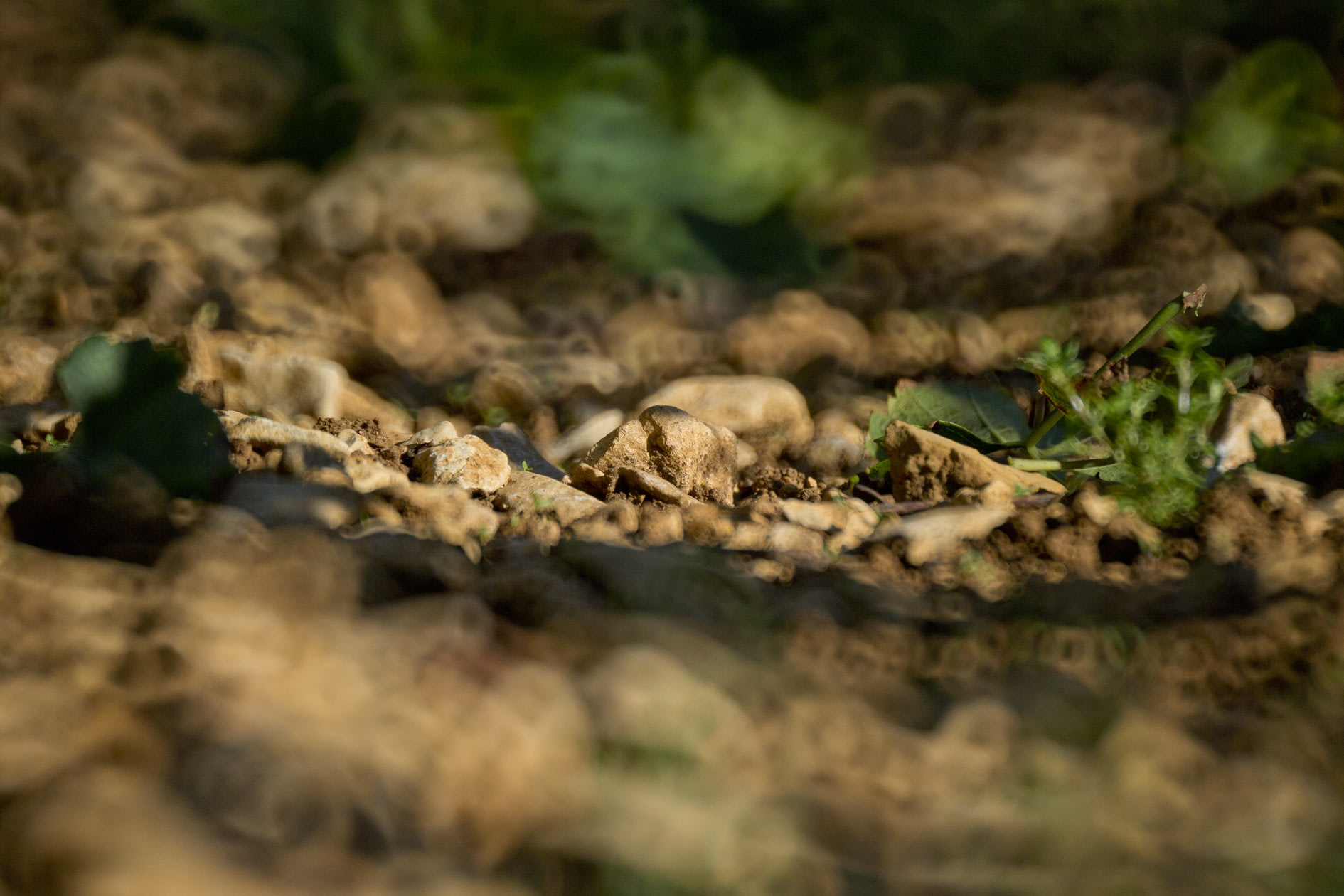
I saw plants that emerge at the transition between autumn and winter, even though it’s not the richest time of year. With the humidity, there was an abundance of field or vineyard greens, along with various rosette flora—those stemless plants with leaves that form a circular pattern on the ground. I also noticed many juniper berries in the Sous le Dos d’Âne parcel in Meursault and on the Chevalier-Montrachet hillside, as well as some autumn fruits like rose hips from wild roses found abundantly in the hedges. I spotted several species of hawk’s beard, including the Nîmes hawk's beard—a surprising find in Burgundy? Not entirely, as Puligny-Montrachet forms a sub-Mediterranean microclimate, well-known among botanists, with conditions favorable to species typically found south of Montélimar.
According to the inventory by the National Botanical Conservatory, 332 species have been recorded in the Puligny-Montrachet commune…
Those are the species observed, but there are many more. To create an exhaustive inventory, one would need to revisit the same location several times per season for seven years! Some plants don’t always bloom, or they undergo natural cycles of dormancy. A baseline inventory usually captures about 70% of the actual biodiversity, so we can estimate there are more than 400 species in Puligny-Montrachet.
How does biodynamics impact the soil's plant biodiversity?
The biodiversity index is incomparable between conventional vineyards and those cultivated biodynamically, which support a much richer diversity of species. At Domaine Leflaive, there is a strong interplay between the vine and the surrounding flora. A soil is a living organism made of complex interactions: the greater the variety of species, the richer the soil. Consequently, the vines are more resilient. Additionally, the effect on water management is crucial: living soil, with its micro-porosities, can regulate both excess and scarcity of water.
 Discover